
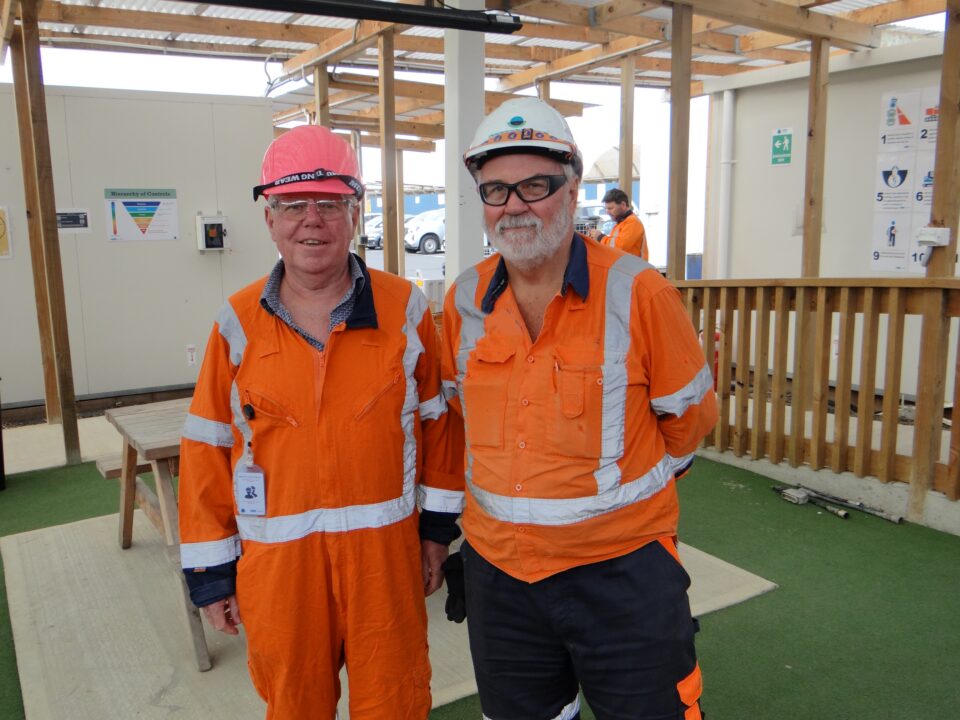

Image: MinEx Chair Joe Edwards, right, with MinEx Chief Executive Wayne Scott, left, prior to a visit to the CIP project in 2023.
MinEx Chair Joe Edwards is taking a step back after a career dedicated to the health and safety of extractives workers, writes Brendon Burns.
This article was first published in MinEx’s Train Brain newsletter.
Joe Edwards managed a contracting crew that left the Pike River mine minutes before disaster struck. The death of the 29 men has weighed heavily on him ever since. It has seen him take on major roles chairing two extractive health and safety organisations. He was later in teams writing the current mining regulations and Approved Code of Practice.
Now, having turned 70, he’s stepping down from both boards. Earlier this year he retired from the board of Mines Rescue, having devoted 12 years to the organisation, 11 as its chair. And, in September, he chaired his last meeting of MinEx – the mining and extractives health and safety organisation, ending an association that goes back more than 20 years.
That started when Joe, whose career as a professional engineer has mostly involved managing or reviewing tunnelling projects, came into the organisation to help develop good guidance for mining and tunnel operations. This was intended to strengthen the then risk-based mining regulations.
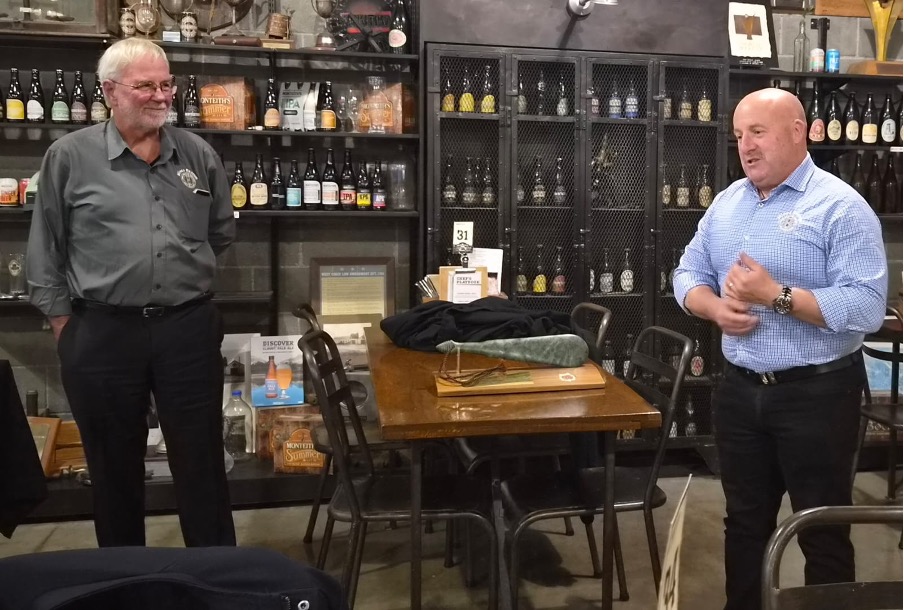
“They’d been left up to the mine operator to do the risk assessment and controls work,” says Joe.
Guidance ignored ahead of Pike disaster
MinEx thought more was needed and Joe worked with an industry group to develop guidelines. These were adopted by the then Department of Labour’s Chief Inspector of Mines. Work was already underway on developing the Pike River mine but its owners chose not to adopt the guidelines.
“If they had, I don’t think the disaster would have happened,” he says.
The mining company was telling people it was following the Queensland mining standards, which were quoted as being far higher than what New Zealand required.
By 2010, Pike River had been operating for two years. Joe was now managing a McConnell Dowell team, contracted to put in stone drives [horizontal or sloping tunnels or access passageways through barren rock] and equipment stubs as part of the wider pit bottom work.
Although there was no knowledge of just how dangerous conditions had actually become, he could see there were other things that Pike River management needed to get right and he and McConnell Dowell were pushing for these changes.
Joe was supposed to be at Pike River on the day of the disaster – and may have gone into the mine. Instead, he was at Solid Energy’s Spring Creek operation where McConnell Dowell was also working on the day of the Pike River tragedy. His own staff at Pike River also had luck on their side.
“Our crew came out and it was only a few minutes before the blast.”
Another crew of six to seven men were waiting in the lamp room [a surface building where safety lamps, cap lamps and rescue gear is stored] for a drift runner (mine vehicle) to take them underground.
After the disaster, the health and safety of extractive workers became a very high focus for Joe. This is not to say they weren’t a high priority before that.
As well as his work for Mines Rescue, he has served on the MinEx board since 2013 and been chair since 2022. Under his chairmanship, MinEx has stepped up its campaign for an end to engineered stone and opposed the Coalition Government’s changes to the Health and Safety at Work Act.
“We seem to be ignoring our awful recent history of what happens when you put some businesses in charge of deciding what their risks are and how they will manage them.”
Not that businesses don’t sometimes exceed what’s required. Joe remains on the board of Nelson-based Taylors Contracting, which among other projects, is working on a major wind farm in North Canterbury.
As it’s a remote site, Taylors has recruited operational staff who are trained as first responders and have done emergency exercises on site to ensure their emergency plans work.
“Too often companies are taking the view: ‘We are not skilled for such events – our emergency response is 111.’”
Joe says risk assessments require a business to ensure an injury does not happen – and then decide how they would manage this if one does occur.
“It can’t be to dial 111 in many instances.”
He is, however, heartened at the improvements in health and safety in the extractive sector over the last 15-plus years, including in tunnels. A lot of this is because specialised tunnel boring equipment and far better excavation methodologies have engineered out many underground risks.
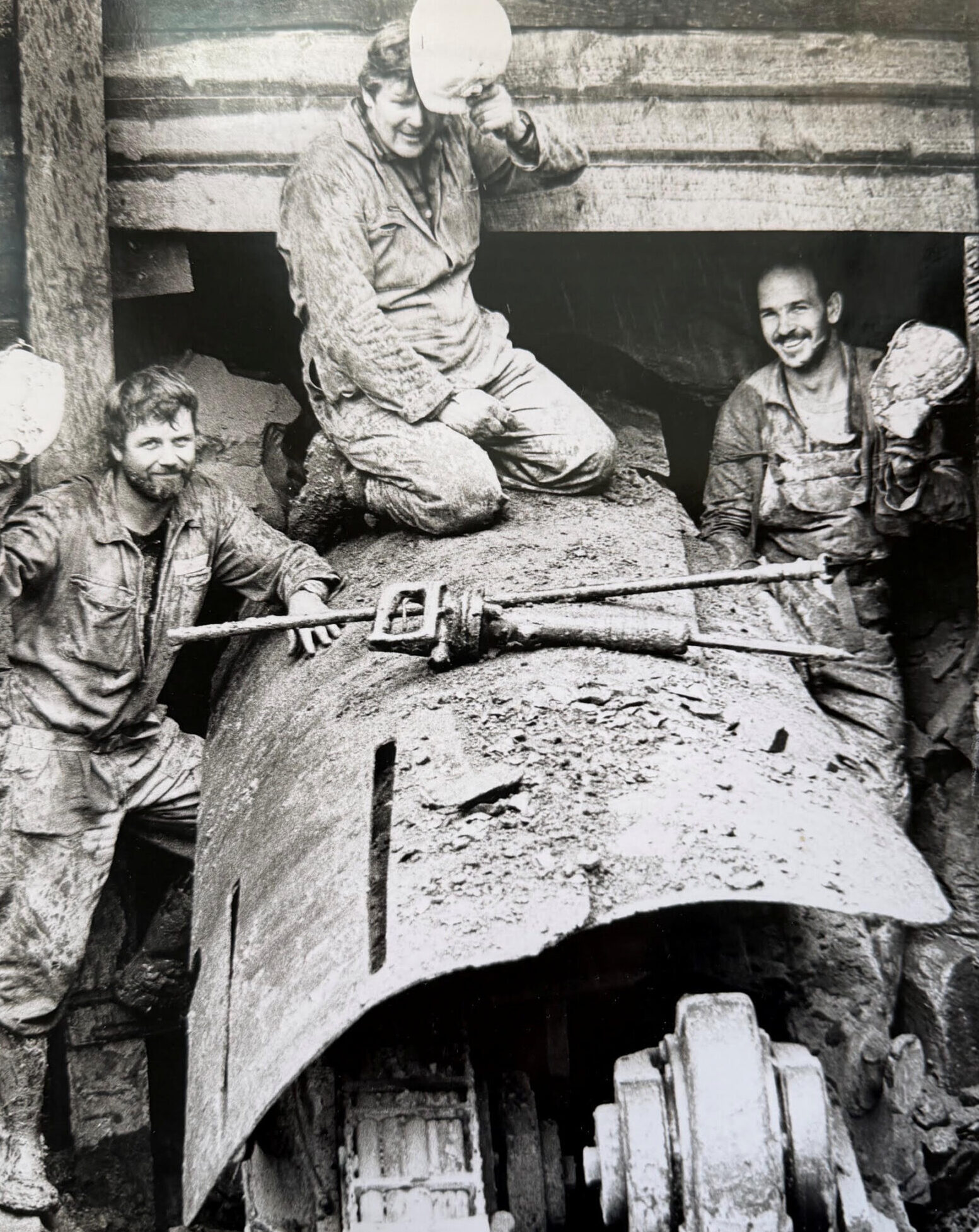
When he started on Wellington’s Terrace Tunnel in 1976, standard excavation methods with an exposed face were used. Tunnel support was steel sets [or ribs] and timber spanning between the sets.
The last major tunnel he worked on was the Central Interceptor project in Auckland, which used TBMs – tunnel boring machines. He also had a lot to do with the city’s Waterview Tunnel.
Joe served on the Civil Contractors New Zealand board for 13 years and was President for two years until stepping down in 2016. However, he continues to consult on a Watercare project putting a pipe jack (smaller tunnel) down Auckland’s Queen Street, and other projects.
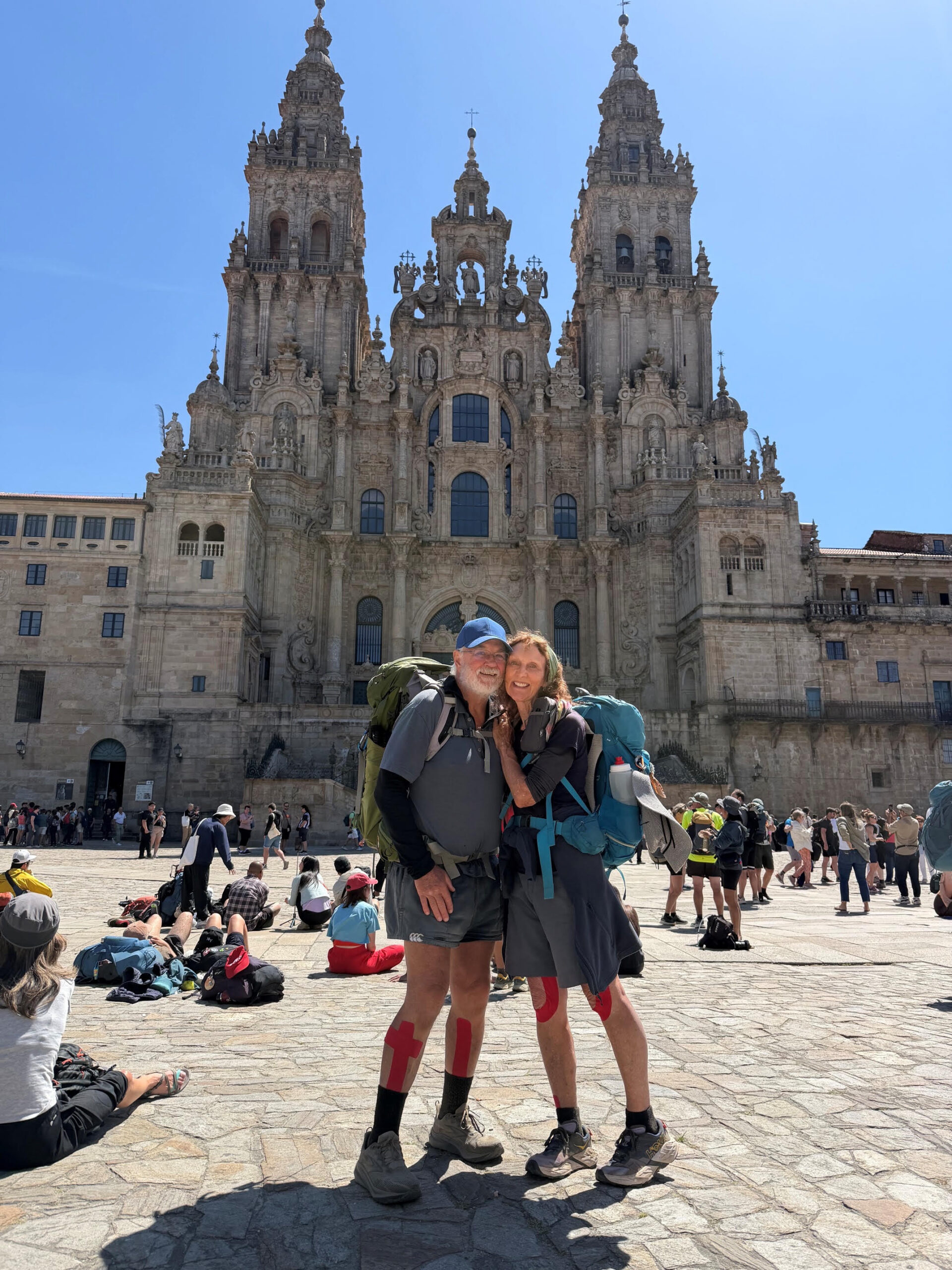
He and his wife Diana have also become active hikers, including walking several Great Walks. This year they completed a 1,700-kilometre walk from central France to Santiago de Compostela in Spain and beyond to the Atlantic Coast.
They are yet to take on the Paparoa Great Walk from Blackball to Punakaiki on the West Coast. It includes a side track above the Pike Mine site; a reminder of the disaster he still believes would have been avoided if good safety guidelines had been followed.